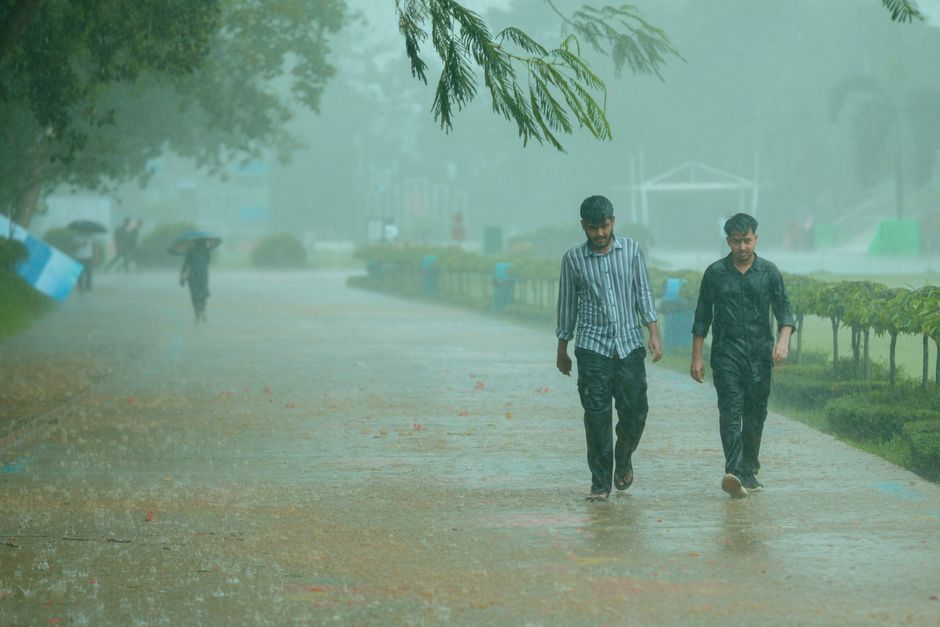
Patchy and delayed monsoon rains have caused a sharp decline in Kharif crop sowing across India, with paddy and oilseeds hit hardest. This agricultural slowdown threatens to pressure food inflation just as the central bank tries to control rising prices.
53.12 million hectares
Current Sown Area
July 2025: 63.25 million hectares→53.12 million hectares
📊 One chart explains it
Kharif Sowing Area Comparison (As of July 10)
Takeaway: Current sowing area is significantly lower than both last year's level and the historical normal average.
⏳ Time Machine
How today’s news fits into the bigger picture
10 years ago
In 2016, a strong monsoon recovery followed consecutive drought years, reviving rural demand and stabilizing retail food prices across India.
Last year
In July 2025, steady and well-distributed rainfall across the subcontinent allowed rapid sowing, pushing cultivated area to a healthy 63.25 million hectares.
Last month
Early June monsoon forecasts predicted normal rainfall, prompting optimistic projections for the agricultural sector and rural consumption.
Yesterday
Farmers in central and northern India waited anxiously for monsoon winds to shift, holding back on purchasing seeds and fertilizers due to dry soil conditions.
Today
Government data reveals a sharp decline in Kharif sowing to 53.12 million hectares, driven by uneven monsoon distribution.
What happens next?
By late August 2026, final sowing figures will determine whether the government needs to extend bans on non-basmati rice exports to secure domestic food supplies.
India's critical summer crop planting season is off to a sluggish start, raising concerns over agricultural output and food inflation. According to government data released on Monday, farmers have sown kharif crops across 53.12 million hectares as of July 10, down from 63.25 million hectares during the same period last year. This represents an approximate 16% drop in cultivated area, falling below the historical normal acreage. The decline is particularly steep in essential commodities like paddy and oilseeds, which rely heavily on consistent early-monsoon rainfall. While parts of the country face floods, key agricultural belts in central and northern India are experiencing dry spells. This uneven distribution of rain is delaying sowing schedules, threatening to pinch rural incomes and drive up food prices in the coming quarters.
💭 If you're wondering…
Dams only supply water to a portion of agricultural land; over half of India's farms are strictly rain-fed and dry up quickly without immediate rainfall.
Did this story help?
Official sources
Knowledge Chain — tap a concept