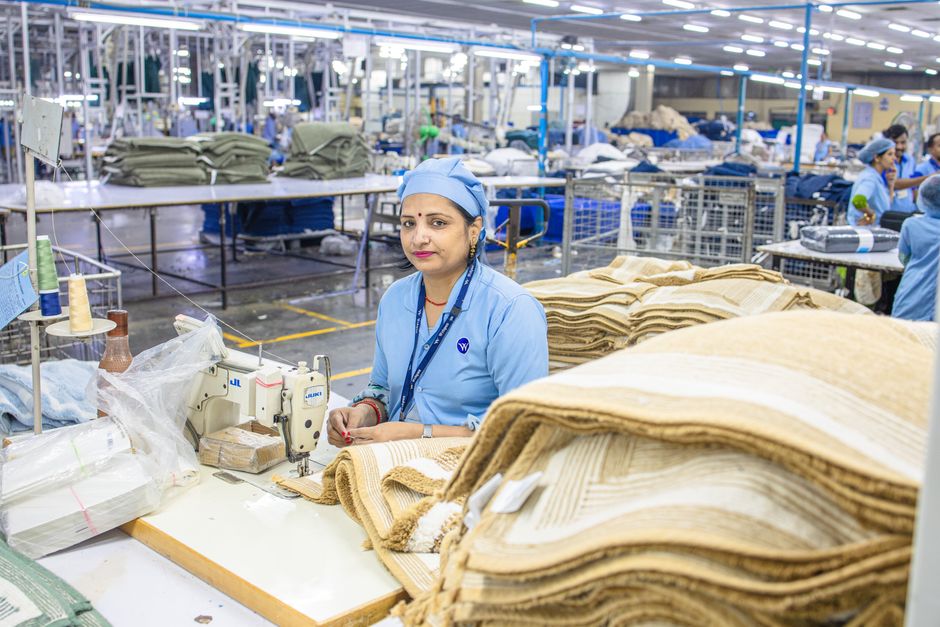
India's textile sector must move from mere capacity expansion to prioritizing sustainability and digitalization if it wants to hit its $100 billion export target. Cost-competitiveness alone is no longer enough to win in global markets.
100 Billion
Target Export Value ($)
⏳ Time Machine
How today’s news fits into the bigger picture
10 years ago
Textile growth was largely driven by simple capacity expansion with little emphasis on digital traceability.
Last year
Export growth was stagnating as global demand dipped, keeping the industry focused on cost-cutting.
Last month
Textile players were mainly focused on domestic demand and raw material price stability.
Yesterday
The industry was discussing how to best capitalize on the new India-UK trade agreement.
Today
The CMAI report officially pivoted the industry narrative toward 'capability over capacity'.
What happens next?
Expect a wave of 'green manufacturing' tech investments as textile mills scramble to meet international regulations.
The Indian textile industry is undergoing a strategic re-evaluation, with industry body CMAI emphasizing that hitting the $100 billion export milestone requires a fundamental 'cost-to-capability' shift. Historically, the sector focused on massive capacity building—adding more looms and labor to drive down costs. However, global buyers are now demanding high standards in sustainability, traceability, and digital supply-chain transparency. Indian manufacturers must modernize their factories to comply with international 'green' standards or risk losing their competitive edge to emerging rivals. Digitalization is no longer optional; it is the new standard for the transparency global fashion brands demand. This shift is crucial for India to maintain its foothold in lucrative Western markets where regulatory pressure on manufacturing is at an all-time high.
💭 If you're wondering…
It is the ability to track every step of the supply chain—from raw cotton fields to the final garment—to prove to global brands that the production is ethical and environmentally friendly.
Did this story help?
Official sources
Knowledge Chain — tap a concept