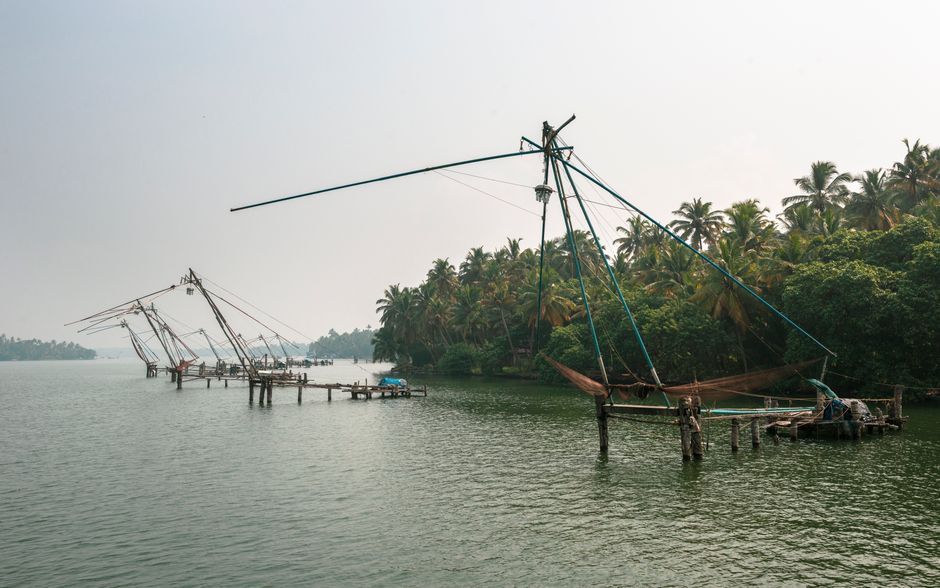
India has formally accepted the World Trade Organization (WTO) Agreement on Fisheries Subsidies, becoming the **123rd member** to do so. This move aims to promote practices globally while safeguarding policy space for India's traditional and small-scale fishers.
123
WTO Members Ratified
before India: 122→123
⏳ Time Machine
How today’s news fits into the bigger picture
2001
Doha Round launches fisheries subsidies talks
The WTO's Doha Development Agenda launched negotiations on fisheries subsidies, aiming to clarify and improve WTO disciplines to promote . Progress remained slow for years due to differing national interests.
2015
UN adopts SDG 14.6
The United Nations Sustainable Development Goals included target 14.6, explicitly calling for the prohibition of certain forms of fisheries subsidies that contribute to overcapacity and overfishing.
2020
India launches PM Matsya Sampada Yojana
India launched its flagship scheme, Pradhan Mantri Matsya Sampada Yojana (PMMSY), with an investment of ₹20,050 crore, focusing on the sustainable development of the fisheries sector. This national policy aligns with global sustainability goals.
June 2022
WTO MC12 adopts Agreement on Fisheries Subsidies
After more than 20 years of negotiations, WTO members adopted the Agreement on Fisheries Subsidies at their 12th Ministerial Conference in Geneva, setting the stage for national ratifications.
Today
India formally accepted the WTO Agreement on Fisheries Subsidies, becoming the 123rd member to ratify the pact.
What happens next?
The agreement requires ratification by two-thirds of WTO members to enter into force, and negotiations will continue on broader aspects of fisheries subsidies in the coming months.
India has formally accepted the World Trade Organization (WTO) Agreement on Fisheries Subsidies, making it the **123rd member** to ratify the pact. This significant step reinforces India's commitment to sustainable fishing while also ensuring flexibility for its vast population of traditional and small-scale fishers. The agreement prohibits subsidies contributing to illegal, unreported, and unregulated (IUU) fishing, as well as those supporting fishing in overfished stocks and unregulated high seas fishing. India's acceptance is crucial for the agreement to enter into force, as two-thirds of WTO members must formally accept it. This move aligns India with global efforts to protect marine resources and prevent overfishing, balancing environmental goals with livelihood concerns.
💭 If you're wondering…
IUU fishing refers to fishing activities conducted in contravention of national or international laws and regulations. It undermines conservation efforts, distorts markets, and harms legitimate fishers. The WTO agreement aims to prohibit subsidies that support such activities.
Did this story help?
Official sources
Knowledge Chain — tap a concept