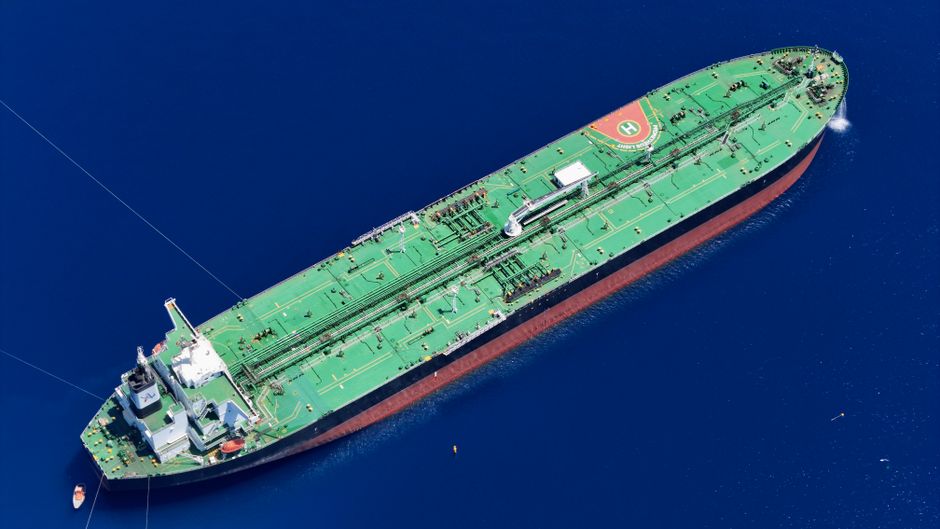
Global Brent crude prices have breached the $100 per barrel mark following Houthi rebel attacks on Saudi tankers in the Red Sea. The geopolitical escalation threatens India's inflation outlook and expands its import bill.
$100
Brent Crude Price
📊 One chart explains it
Recent Brent Crude Oil Price Path
Takeaway: Geopolitical tensions in the Red Sea pushed oil past the triple-digit threshold for the first time in months.
⏳ Time Machine
How today’s news fits into the bigger picture
1973
OPEC embargo shock
Arab members of OPEC impose an oil embargo, quadrupling global prices and forcing India to heavily ration domestic fuel.
1974
Mumbai High discovery
India begins commercial drilling at the offshore Mumbai High field to boost domestic energy self-reliance.
2023
Red Sea crisis begins
Houthi forces start drone attacks on Israeli-bound shipping vessels, initiating the modern maritime transit risk era.
Today
Brent crude crosses $100 per barrel after Houthi drone strikes on Saudi oil tankers.
What happens next?
A prolonged shipping diversion could push shipping container spot rates up by 50% by August.
Brent crude oil surged past $100 a barrel on Thursday, triggered by fresh Houthi drone strikes on Saudi oil tankers in the Bab el-Mandeb strait. This marks the first successful attack since the group announced a shipping blockade on Saudi Arabia, reigniting fears of a prolonged supply disruption. The energy shock sent Wall Street into a tailspin, with the Nasdaq falling over 2% as rising oil prices compounded concerns over tech spending. India is particularly vulnerable, importing over 85% of its crude needs. A sustained $100 price tag could derail the Reserve Bank of India’s inflation-targeting path and weaken the rupee. While domestic oil companies might benefit from higher upstream margins, the broader economy faces severe input cost pressures, threatening to pinch corporate earnings across manufacturing and logistics sectors in the upcoming quarters.
💭 If you're wondering…
Because Saudi Arabia and other Gulf nations must ship their oil through the Red Sea and Suez Canal to reach European and some Asian markets. Attacks there disrupt the physical delivery of millions of barrels daily.
Did this story help?
Official sources
Knowledge Chain — tap a concept