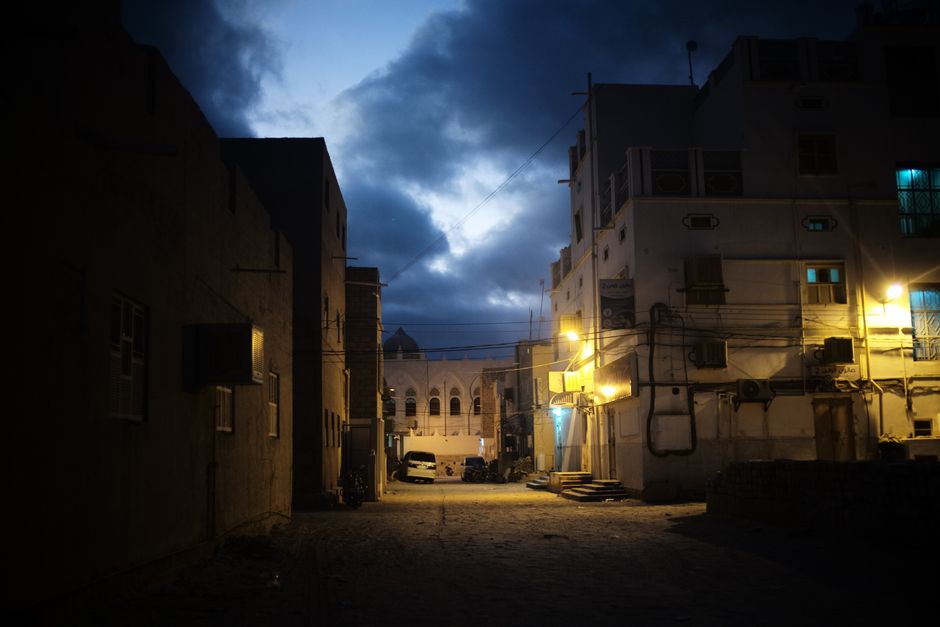
Yemen's Houthi rebels launched new drone attacks on Saudi Arabian oil facilities this weekend, marking a significant escalation in regional tensions. This comes despite a recent pause in direct US military strikes against Iran, signaling persistent instability in the Middle East.
$95
Crude Oil Price (Brent)
Early July: $92→$95
⏳ Time Machine
How today’s news fits into the bigger picture
January 2015
Houthi Takeover of Sanaa
Houthi rebels fully captured the Yemeni capital, Sanaa, marking a major turning point in the Yemeni civil war and leading to international intervention by a Saudi-led coalition.
March 2015
Saudi-led Intervention Begins
A Saudi-led military coalition, including the UAE, launched 'Operation Decisive Storm' in Yemen, beginning airstrikes against Houthi targets in support of the ousted Yemeni government.
September 2019
Abqaiq-Khurais Attacks
Drone and missile attacks, attributed to Iran-backed forces, hit Saudi Aramco's Abqaiq and Khurais oil facilities, temporarily halving Saudi oil output and causing a **19%** surge in crude prices.
March 2022
Failed Ceasefire Efforts
UN-brokered ceasefire efforts gained momentum but ultimately failed to establish a lasting peace, with sporadic Houthi attacks continuing against Saudi targets.
Early July 2026
US Strikes Pause
A two-week period saw no direct US military strikes against Iran, leading to hopes for a de-escalation in regional tensions.
Today
Houthi rebels launched new drone attacks on Saudi Arabian oil facilities, reigniting regional tensions.
What happens next?
Global oil markets and policymakers will closely monitor the Middle East for further escalation or de-escalation in the coming days.
Houthi rebels in Yemen have once again targeted Saudi Arabian oil installations with drones, reigniting concerns about Middle East stability and global oil supplies. The attacks occurred just as there had been a two-week lull in direct US military action against Iran, which supports the Houthis. This fresh wave of aggression underscores the persistent geopolitical risks in the Red Sea region, threatening crucial shipping lanes and potentially impacting international crude oil prices. For India, a major oil importer, these events translate into renewed worries about energy security and higher import bills. The attacks highlight how regional conflicts can quickly disrupt global economic flows.
💭 If you're wondering…
The Houthis are an armed political movement that emerged in Yemen. They are predominantly Zaidi Shia Muslims and have been fighting against the internationally recognized Yemeni government and the Saudi-led coalition.
Did this story help?
Official sources
Knowledge Chain — tap a concept