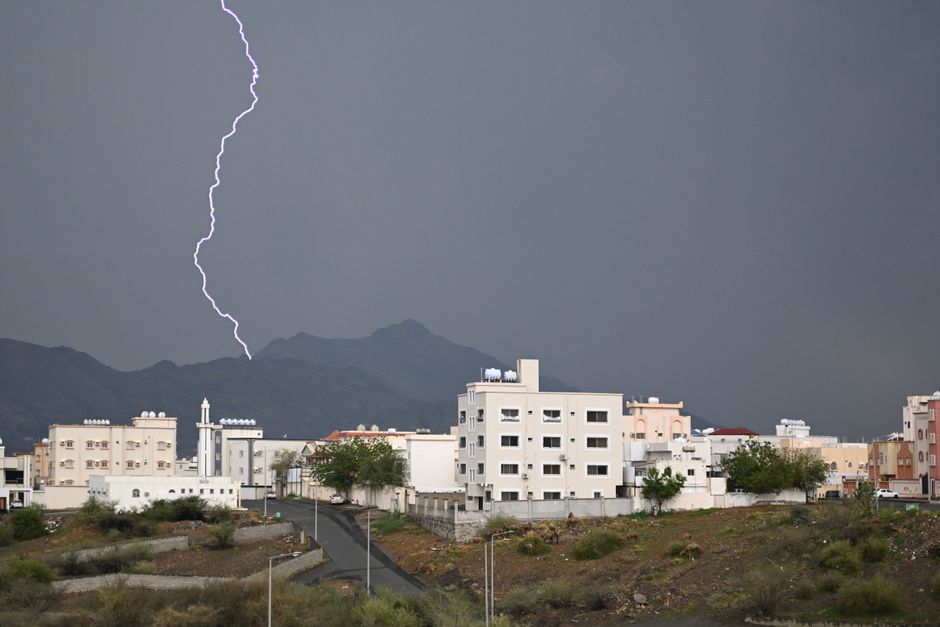
Coordinated drone and missile attacks by Yemen's Houthi rebels have targeted Saudi Aramco's facilities in Jizan and Yanbu. The escalation threatens global shipping corridors and raises energy security risks for high-import countries like India.
85.0%
India Crude Import Dependency
⏳ Time Machine
How today’s news fits into the bigger picture
2019
Abqaiq drone attack
A devastating drone strike on Saudi Arabia's Abqaiq processing plant temporarily suspended 5% of global oil supply, causing a massive price shock.
2022
Ukraine war reshapes trade
The outbreak of conflict in Europe triggered global energy supply disruptions, leading India to sharply increase its imports of discounted Russian crude oil.
2024
Red Sea shipping crisis
Frequent maritime attacks forced global cargo ships to bypass the Suez Canal, driving up transit insurance and shipping freight rates for Indian exporters.
Today
Houthi drone and missile attacks target key Saudi Aramco facilities in Jizan and Yanbu, raising energy security risks.
What happens next?
Indian state refiners will diversify crude sourcing, increasing imports from West Africa and Latin America by September 2026.
Yemen's Houthi rebels have claimed a massive strike on Saudi Aramco's industrial infrastructure in Jizan and Yanbu, using a combination of ballistic missiles and armed drones. This sharp escalation in West Asian hostilities has sent ripples of concern through global energy markets and directly threatened India's economic stability. India relies on overseas imports for more than 85% of its crude oil requirements, with Saudi Arabia serving as one of its most critical bilateral suppliers. Any physical disruption to Saudi production facilities or key shipping lanes in the Red Sea could rapidly inflate India's import bills, put downward pressure on the rupee, and trigger domestic inflation across essential consumer goods.
💭 If you're wondering…
Yes, India maintains Strategic Petroleum Reserves in underground rock caverns that can store enough crude oil to meet roughly 9.5 days of the country's national demand during complete supply disruptions.
Did this story help?
Official sources
Knowledge Chain — tap a concept