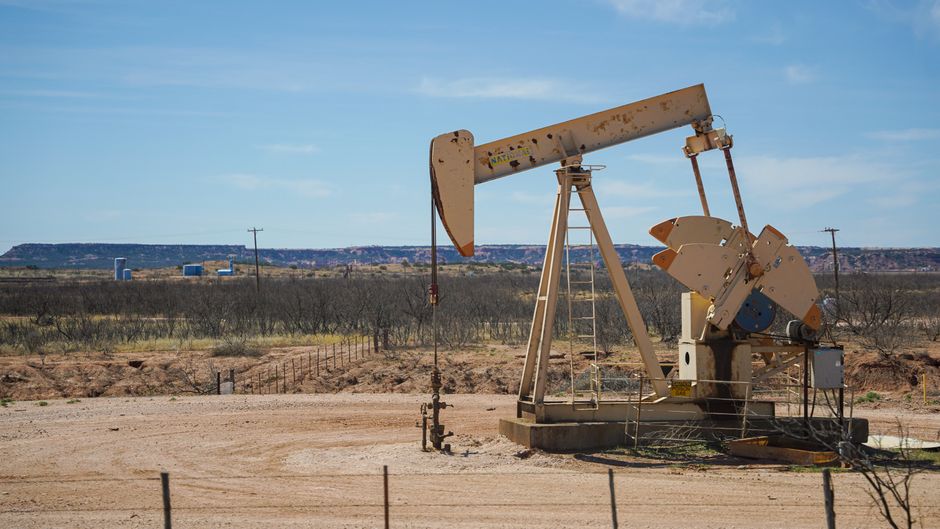
Renewed military action between the US and Iran in the Middle East has shattered a brief lull in fighting, causing global crude oil prices to jump significantly. This escalation revives concerns over disruptions to vital energy supplies, directly impacting India's highly import-dependent economy.
$88
Brent Crude Price
July 28, 2026 Close: $83.81→$88
📊 One chart explains it
Crude Oil Price (USD/Bbl)
Takeaway: Crude oil prices today, though up 4.59%, remain significantly below their 2008 peak, yet the recent volatility is a concern for importers.
⏳ Time Machine
How today’s news fits into the bigger picture
July 2008
Crude Oil Hits All-Time High
Crude oil prices reached an all-time high of **$147.27** per barrel, largely driven by strong global demand and speculative trading, causing widespread economic concern and s worldwide.
FY1999
India's Oil Import Dependency at 55%
India's dependence on crude oil imports stood at 55%, a figure that has steadily increased over the decades as domestic production lagged soaring consumption.
FY2025
Import Dependency Reaches 88.3%
India's reliance on imported crude oil reached 88.3% for the full financial year, reflecting a continued upward trend due to rising demand and stagnant domestic output.
March 2026
India Diversifies Oil Sources
India significantly diversified its crude import sources to approximately **40 countries**, with efforts enabling 70% of its crude oil imports to come from outside the Strait of Hormuz, enhancing .
April 2026
Russian Oil Share Rises to 38%
Russia's share in India's oil imports jumped to nearly **38%** of the total value, and India paid a premium of $77.8 per tonne for Russian oil, a 425% increase from the previous month.
June 2026
EY Warns as Import Dependence Crosses 90%
EY warned India to expand its strategic crude oil reserves as the country's dependence on imported crude crossed **90%** for FY26, leaving the economy highly vulnerable to global supply disruptions.
Today
Renewed US-Iran strikes caused global crude oil prices to jump 5%.
What happens next?
Markets will closely watch for further de-escalation efforts in the Middle East and upcoming US Fed decisions this week.
After a period of relative calm, military confrontations flared up in the Middle East, with the US military intercepting Iranian missiles and responding with strikes. This rapid escalation immediately sent shockwaves through global energy markets, pushing Brent crude oil prices up by 5% to approximately $88 a barrel. India, which relies heavily on imported crude oil, faces increased risk to its energy security and inflationary pressures, as any instability in the Strait of Hormuz directly affects global supply routes. The developments underscore the fragile geopolitical landscape and its immediate economic consequences for major oil-importing nations like India.
💭 If you're wondering…
The Strait of Hormuz is a narrow sea passage between the Persian Gulf and the Gulf of Oman. It is one of the world's most strategically important chokepoints for oil shipping, with roughly one-fifth of global seaborne oil passing through it daily. Any disruption there can severely impact global oil supply and prices.
Did this story help?
Knowledge Chain — tap a concept