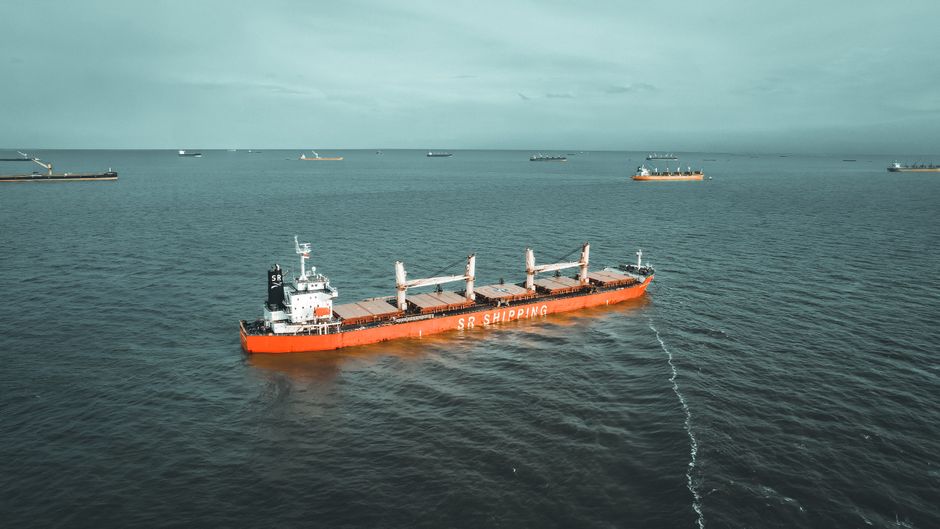
State-owned Shipping Corporation of India (SCI) reported a robust 75% jump in net profit for the first quarter of FY27, reaching ₹620 crore, driven by strong freight rates and improved .
₹620 crore
Q1 FY27 Net Profit
Q1 FY26 Net Profit: ₹354 crore→₹620 crore
⏳ Time Machine
How today’s news fits into the bigger picture
1961
SCI Formation
Shipping Corporation of India was formed by the amalgamation of Eastern Shipping Corporation and Western Shipping Corporation, becoming India's premier state-owned shipping company.
Early 2000s
Market Liberalization
Post-liberalization, SCI faced increased competition from private players but maintained its dominant position due to its large fleet and strategic national importance, navigating global market fluctuations.
2020-2022
COVID-19 Freight Boom
The global shipping industry experienced unprecedented freight rate hikes due to supply chain disruptions and surging demand, leading to record profits for many carriers, including SCI, for specific segments.
Q1 FY27
Profit Surge
SCI reported a substantial 75% rise in net profit to ₹620 crore, largely driven by a significant increase in across its various shipping segments.
Today
Shipping Corporation of India reported a 75% jump in Q1 FY27 net profit to ₹620 crore.
What happens next?
SCI will aim to sustain operational efficiency and navigate potentially volatile global freight markets in the coming quarters.
Shipping Corporation of India (SCI), the country's largest shipping company, announced a significant leap in its financial performance for the first quarter of fiscal year 2026-27 (Q1 FY27). The company's consolidated net profit surged by **75%** to **₹620 crore**, compared to ₹354 crore in the same period last year. This impressive growth was primarily fueled by buoyant freight rates in the global shipping market and enhanced operational efficiencies. Revenue from operations also saw a healthy increase, driven by higher demand for cargo transportation. The positive results reflect a favorable environment for the shipping industry, benefiting from global trade dynamics and strategic fleet utilization.
💭 If you're wondering…
Freight rates are the prices charged for transporting cargo from one point to another. These rates can vary widely based on supply and demand for shipping capacity, fuel costs, cargo type, route, and geopolitical stability.
Did this story help?
Official sources
Knowledge Chain — tap a concept