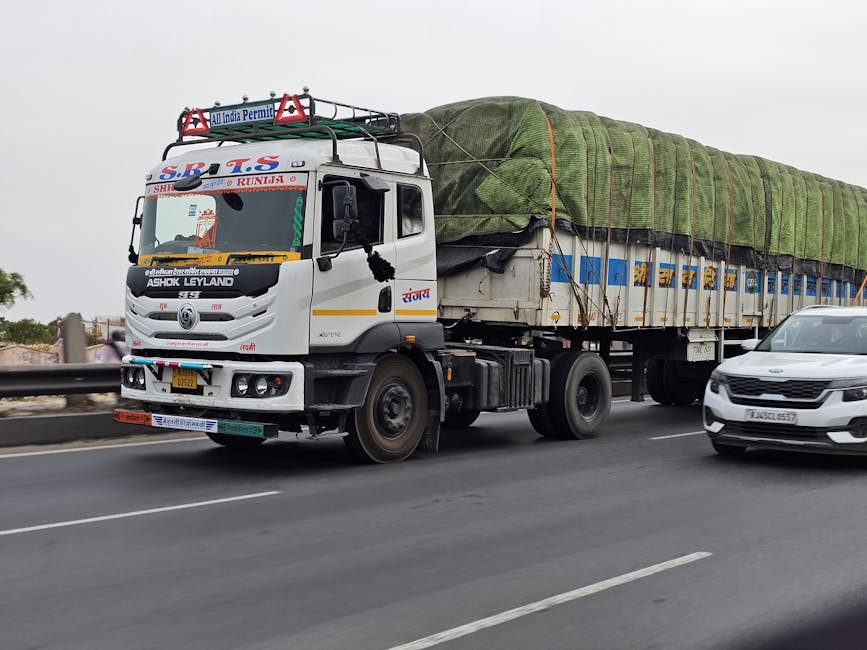
Commercial vehicle maker Ashok Leyland reported a **2.5%** rise in standalone net profit to ₹609 crore for Q1 FY27, despite launching a significant ₹2,000 crore cost-cutting program. This slight profit increase comes amidst commodity price pressures.
₹609 crore
Net Profit Q1 FY27 (Standalone)
Q1 FY26 (YoY): ₹594 crore→₹609 crore
⏳ Time Machine
How today’s news fits into the bigger picture
2019-2020
Auto Sector Slowdown
The Indian auto sector faced a significant slowdown, prompting many manufacturers, including Ashok Leyland, to reduce production and implement cost-saving measures amidst weak demand.
December 2023
Investment in New Products
Ashok Leyland announced plans to invest ₹1,200 crore over three years into new products and manufacturing capabilities, signalling future growth ambitions.
Q1 FY26 (June 2025)
Previous Year Profit
The company had reported a standalone net profit of ₹594 crore, which serves as the base for the current period's 2.5% growth.
February 2026
Future Mobility Plan Unveiled
Ashok Leyland unveiled its "Future Mobility Plan," focusing on developing electric vehicles and alternative fuel technologies to adapt to evolving market demands.
Today
Ashok Leyland reported a 2.5% rise in Q1 FY27 standalone net profit to ₹609 crore, alongside a major ₹2,000 crore cost-cutting plan.
What happens next?
The company's next quarterly results will show the initial impact and effectiveness of its ₹2,000 crore cost-cutting program on profitability.
Ashok Leyland, India's second-largest commercial vehicle manufacturer, announced a modest 2.5% increase in its standalone net profit for the first quarter of fiscal year 2026-27, reaching ₹609 crore. This marginal growth comes even as the company initiated an ambitious **₹2,000 crore** cost-cutting drive to counter persistent commodity price pressures and ensure profitability. The company aims to optimize operational efficiency and supply chain management in response to the challenging market environment, focusing on sustainable growth despite external economic factors.
💭 If you're wondering…
Commodity price pressures refer to rising costs of raw materials like steel, aluminum, and rubber. For carmakers, this means higher expenses for parts and manufacturing, which can reduce profit margins if not managed effectively.
Did this story help?
Official sources
Knowledge Chain — tap a concept