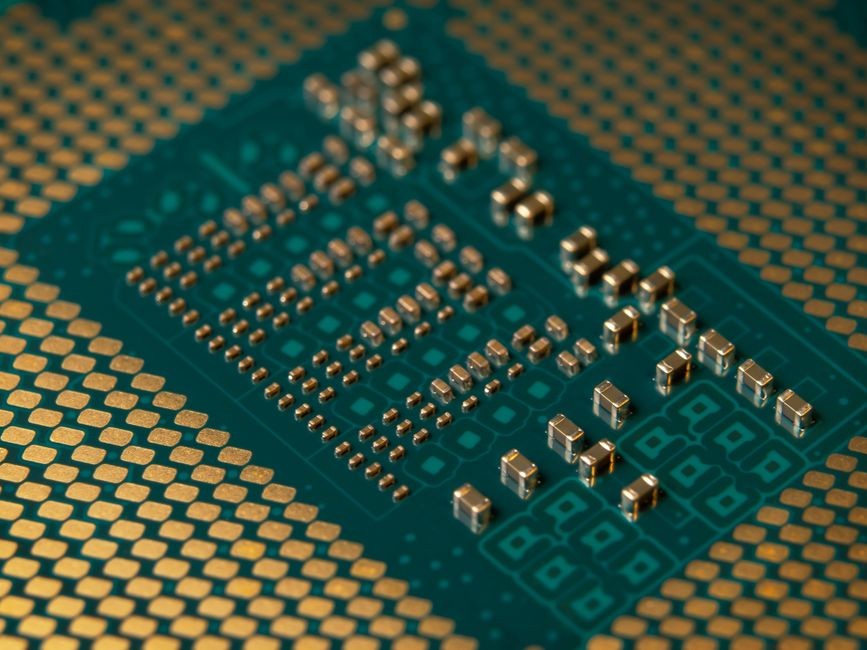
Union Minister Ashwini Vaishnaw announced that India will have four operational plants by the end of 2026, marking a significant milestone in the country's ambition to become a global chip hub. This rapid expansion aims to boost domestic electronics manufacturing and reduce import reliance.
4
New Plants Operational by EOY 2026
⏳ Time Machine
How today’s news fits into the bigger picture
1980s
Early Semiconductor Ambitions Fail
India made initial attempts to establish semiconductor fabrication units, notably Semiconductor Complex Limited (SCL), but these efforts faced various challenges and did not scale to global competitiveness.
2000s-2010s
Focus on Chip Design
India emerged as a global hub for semiconductor design services, with major international companies establishing R&D centers in cities like Bengaluru, but lacked in actual manufacturing capabilities.
2020
COVID-19 Highlights Chip Shortage
The global COVID-19 pandemic severely disrupted semiconductor supply chains, causing widespread shortages and underscoring India's vulnerability due to its near-total reliance on chip imports.
December 2021
India Semiconductor Mission Launched
The Indian government approved a comprehensive program with an outlay of ₹76,000 crore (approx. $10 billion) to promote semiconductor and display manufacturing in India, offering substantial incentives.
February 2026
Major Micron Investment Announced
Micron Technology announced plans to set up a semiconductor assembly and test facility in Gujarat with an investment of $2.75 billion, marking a significant first step under the ISM.
Today
Union Minister announces four new semiconductor plants will be operational in India by end of 2026.
What happens next?
Production ramp-up, supply chain strengthening, and further investments are expected over the next 1-2 years.
India is set to significantly boost its domestic semiconductor manufacturing capabilities with the establishment of four new plants by the end of 2026, Union Minister Ashwini Vaishnaw confirmed. This aggressive push is part of India's broader strategy to reduce its heavy reliance on imported chips and foster a robust local electronics ecosystem. The operationalization of these facilities is expected to attract further investment in the sector, create high-tech jobs, and enhance India's strategic autonomy in a crucial global industry. This development underscores the government's commitment to its 'Make in India' initiative, particularly in advanced technologies.
💭 If you're wondering…
While specific details depend on each plant's technology, they are expected to produce a range of microchips essential for consumer electronics, automotive components, and other critical industrial applications.
Did this story help?
Official sources
Knowledge Chain — tap a concept