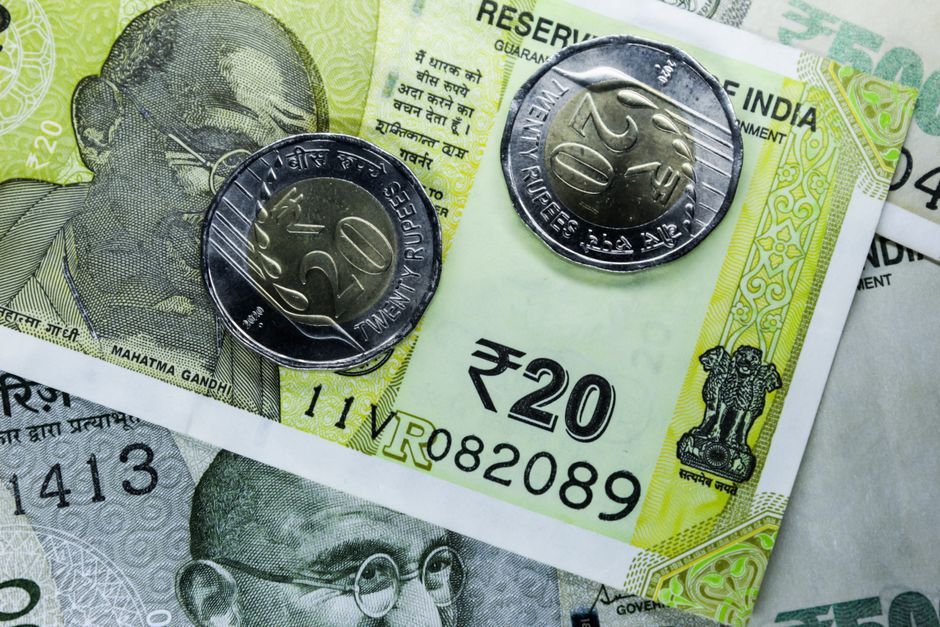
Indian banks are reportedly **pulling back from foreign exchange deals**, particularly with corporate clients, due to increasing caution from the Reserve Bank of India (RBI). This stems from the central bank's efforts to curb , leading banks to self-regulate to avoid potential regulatory scrutiny or penalties.
October 26, 2026
FM Statement Date
⏳ Time Machine
How today’s news fits into the bigger picture
1991
Liberalization of Indian Economy
India initiated economic reforms, leading to greater integration with global markets and increased foreign exchange transactions. The rupee's exchange rate became more market-determined, though still managed by the RBI.
2013
Taper Tantrum Impacts Rupee
The US Federal Reserve's hint at tapering its quantitative easing program caused significant capital outflows from emerging markets, including India. The rupee depreciated sharply, prompting strong intervention from the RBI.
2020-2022
RBI Builds Forex Reserves
The RBI actively built up India's foreign exchange reserves, reaching record highs, to provide a buffer against global shocks and give it more firepower to manage .
Early 2026
Increased Global Volatility
Global geopolitical tensions, rising crude oil prices, and tightening monetary policies in developed economies led to increased volatility in global currency markets, putting pressure on emerging market currencies like the rupee.
October 2026
FM Sitharaman Reaffirms Rupee Stability Goal
Finance Minister Nirmala Sitharaman stated that the RBI is continuously monitoring the rupee and intervening to prevent sudden fluctuations, reinforcing the central bank's commitment to currency stability.
Today
Indian banks are pulling back from aggressive forex deals due to heightened caution from the RBI regarding rupee volatility.
What happens next?
The RBI is expected to continue its vigilant stance on rupee stability, and banks will likely remain cautious in forex dealings, prompting businesses to seek alternative currency risk management strategies.
Indian banks are exhibiting increased caution in the foreign exchange (forex) market, reportedly stepping back from executing certain deals, especially large ones for corporate clients. This hesitancy is largely attributed to signals from the Reserve Bank of India (RBI), which is actively trying to manage and prevent excessive volatility in the Indian Rupee. Banks fear that aggressive forex trading could draw scrutiny from the central bank, potentially leading to reprimands or penalties. This self-imposed restriction by banks affects corporate hedging strategies and foreign trade, as it limits the availability and pricing of forex services. It also reflects the RBI's strong stance on maintaining rupee stability, even if it means influencing market behavior through subtle cues rather than explicit directives.
💭 If you're wondering…
Excessive rupee volatility can lead to higher import costs (fueling inflation), make exports less competitive, deter foreign investment, and deplete foreign exchange reserves, all of which can harm India's economic stability.
Did this story help?
Official sources
Knowledge Chain — tap a concept